It was standing room only at IAB New Zealand’s Video Summit on May 7. Hosted at NZME’s iHeart Lounge in Auckland, every seat and bar stool was taken as people gathered to hear from international keynote speakers as well as panels of local experts.
IAB NZ CEO Angelina Farry tells me that when the event tickets went live, they sold out in three hours – a new record.
The Video Summit was pitched as being essential for anyone buying, selling or building video advertising in Aotearoa. With video the fastest growing format in digital advertising globally – in Aotearoa it grew 27% year on year, according to the IAB New Zealand Digital Advertising Revenue Report – it is no surprise people showed up in force.


If you can’t measure it, it didn’t happen
Herald Now Business show host Garth Bray led the proceedings. We had two keynotes, an audience poll, two panels, closing remarks and refreshments in just three and a half hours.
The first keynote speaker was Video Futures Collective head of measurement Murray Love who made the trip over from Sydney.
The Video Futures Collective is an independent industry body that focuses on research and collaboration across Australia’s digital video and streaming platforms. VFC’s pillars of focus include attention, outcomes and cross media measurement.
Love started with a personal anecdote of logging his morning run around Auckland into tracking app Strava. Speaking to the runners in the room, he quipped: “As you well know, if it’s not on Strava, it didn’t happen.”
The same goes for measurement. “If you can’t measure it, it didn’t happen,” says Love. “Measure it so it counts.”
Active attention
He went on to say that TV needs a different approach than what it had 20 years ago. His talk centred on audience measurement – counting the eyeballs – and the benefits of working with premium streaming partners.
The truth is, platforms will continue to fragment, which becomes increasingly complex for buyers to navigate, says Love.
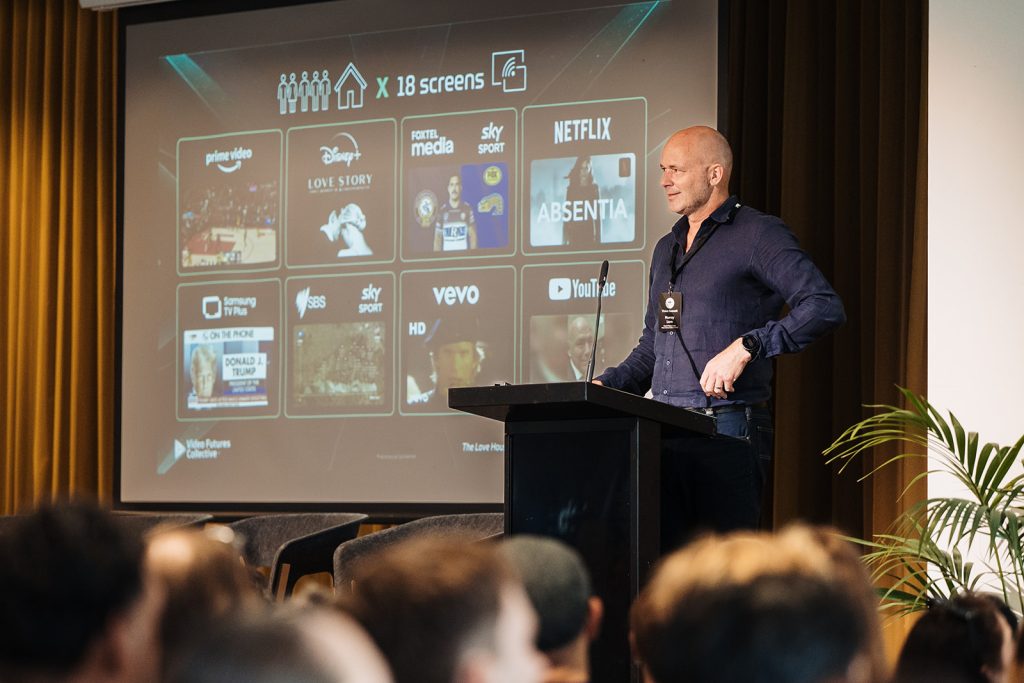
It’s also complex for consumers. In Love’s case, his household is home to five people (two adults and three teens) and a total of 18 screens.
On any single weekend, there’s a whole lot of content watched across a whole of platforms on a whole lot of screens, says Love. That includes watching the NBA on Amazon Prime one day to ESPN the next, depending on which platform has the rights to which game.
VFC’s research shows that streaming platforms hold both high levels of active attention and can drive up the return on investment. In particular, advertising across three or more platforms delivers +56 ROI, says Love.

From targeting to signals
Video marketing platform Dailymotion managing director Dr Vijay Kunduri was up next, presenting via video from Singapore. His comprehensive talk detailed the move from targeting to signals and how marketing can keep up with real behaviour.
“Marketing is built on a lie,” he began. “The lie is that people are predictable.”
Marketing currently treats consumers like a static data point, when in reality they are in constant states of change, says Kunduri: “Targeting works on averages, but people don’t live in averages.”
The future is all about understanding behaviour, rather than just tracking identities. It looks like switching between asking “who is this person” and “what is this person doing right now?”
So, what are signals? They’re observable behaviours captured in the moment of intent. For example, a person’s video consumption, social engagement, search patterns and repetitive actions, explains Kunduri.
“The crux of the matter is context is a mere container, whereas real value comes from understanding the moment. How quickly does a consumer move from curious to committed? Signals allow us to measure the velocity of intent in real time.”
Screens over platforms
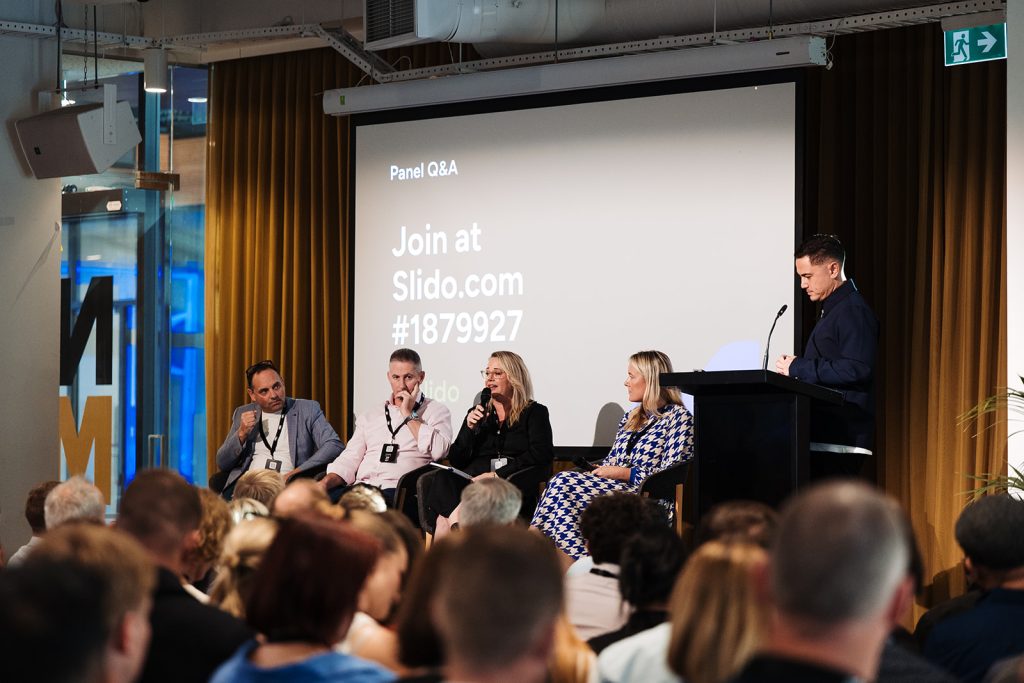
The event rounded out with panels featuring local experts. The first, on global video trends and Aotearoa, involved Infinitum co-founder Simon Gentry, Sky’s head of advertising Phil Lucy, NZME head of content & strategy (video/audio) Sarah Bristow and Foodstuffs retail growth leader Giselle Bleakley.
My biggest takeaways from this discussion started with Gentry pulling no punches when he said that brands and advertisers need to sort out their first party data – or they should pack up and go home.
Bristow spoke to not being overprotective of where your content ends up as well maximising the value of your content. “The Herald has a radical approach to the distribution of content to meet the audience where they are.
“With one piece of content we share it across different formats and then monetise it.”
Bleakley spoke to a simple win from her work at Foodstuffs: shifting from planning for the platform, like linear TV, to instead focusing on planning for the screen (i.e mobile, desktop, TV).
Lucy’s key message was that there are multiple subgroups within video and they are all different: “The next time you plan a video campaign, think about the environments you are putting them in.”
People will do anything for content
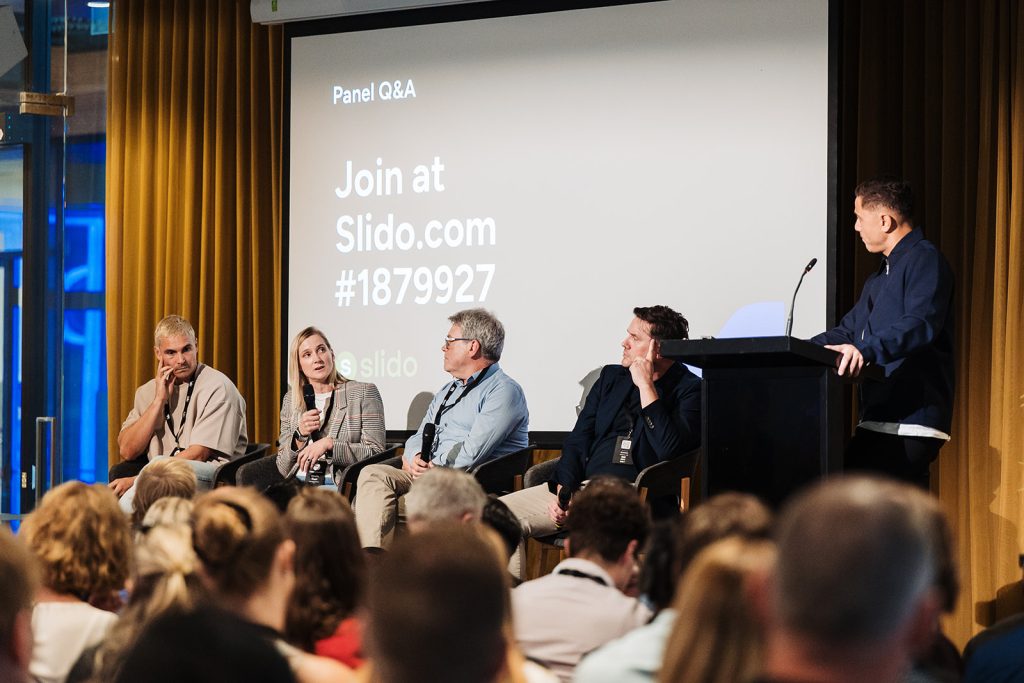
The second panel featured hot takes, delivered by PHD group digital director Mireille Cope, TVNZ chief digital officer Rob Hutchinson, Stuff head of multimedia Chas Ort and YouTube head of brand Seth Zwart.
Hutchinson spoke to the launch of the new TVNZ+ platform, which saw the company kick every user out and get them to log back in. Always a risky move. He admits, it did come with plenty of complaints, including one direct message telling him to “walk the plank”.
But by 6pm on April 19, the day after the relaunch, hundreds of thousands of members were back in.
“Most importantly, people love content so much, they would do anything to get it back,” he said. “If they care that much then they are paying attention to ads.”
The post IAB Video Summit brings the crowds appeared first on stoppress.co.nz.